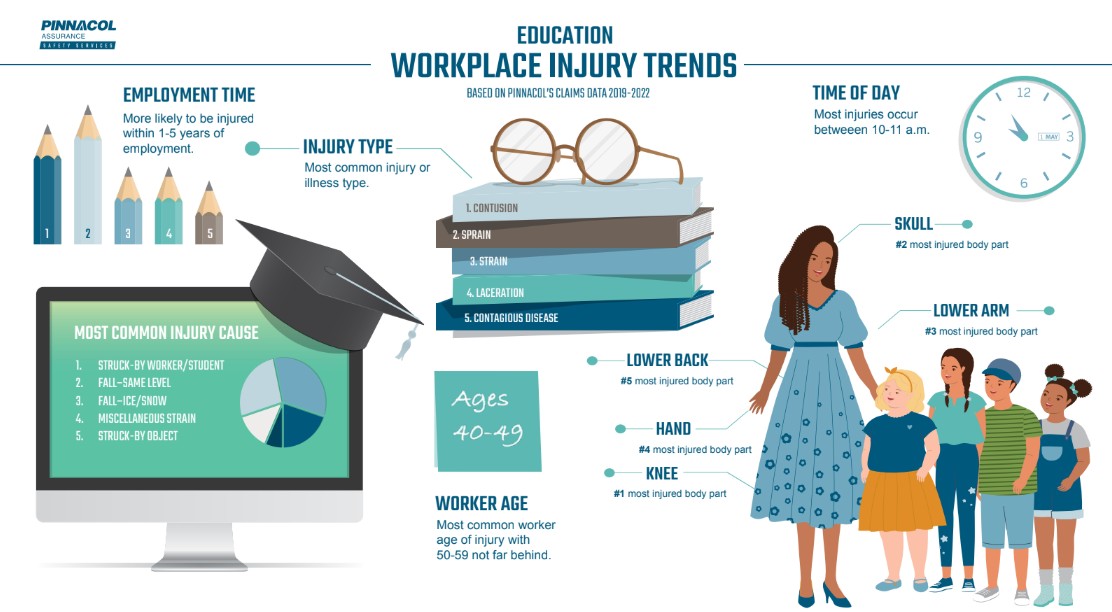
A primary safety concern in schools involves slips, trips, and falls, which account for a high percentage of staff injuries. High-traffic areas like cafeterias, waxed hallways, and icy playgrounds during Colorado winters require diligent maintenance and clear hazard communication. Following general safety best practices, schools must ensure that floors are kept clean, dry, and free of obstructions like loose rugs or misplaced equipment to prevent costly soft-tissue injuries.
The facilities and maintenance departments operate as the industrial backbone of the school, often dealing with hazardous materials and chemical safety. Schools are required to maintain an up-to-date inventory of all chemicals—from cleaning supplies to science lab reagents—and provide accessible Safety Data Sheets (SDS). Proper labeling and secondary containment are essential to prevent accidental exposures or dangerous chemical reactions in storage areas.
Vocational and technical education programs introduce specialized risks involving machine guarding and power tool safety. Industrial arts shops must adhere to strict safeguarding requirements for equipment like table saws, lathes, and grinders to prevent amputations or severe lacerations. Training for both instructors and students should emphasize hazard recognition and the necessity of personal protective equipment (PPE), such as safety glasses and hearing protection, to foster a culture of safety from the ground up.
In the modern educational environment, workplace violence and emergency preparedness are critical pillars of a safety program. Schools must develop and regularly practice a comprehensive emergency plan that covers diverse scenarios, including fire, severe weather, and intruder threats. Training staff in situational awareness and de-escalation techniques empowers them to manage conflicts and respond effectively during high-stress incidents, ensuring the security of the entire campus community.