Fatigue is more than just being "tired"; it is an overwhelming state of exhaustion that significantly impairs judgment and reaction time. Research indicates that losing just two hours of sleep can have an effect on the body similar to consuming three beers. Chronic fatigue is also linked to serious health conditions such as cardiovascular disease, obesity, and depression. To combat this, safety programs must go beyond traditional physical hazards and address the biological clock.
Not all breaks are created equal. To be truly restorative, a break should be active and involve a mental detachment from work tasks. Our resources, such as the How to take breaks poster and toolbox talk, emphasize scheduling these pauses ahead of time using tools like the Daily Productivity Planner to ensure they actually happen.
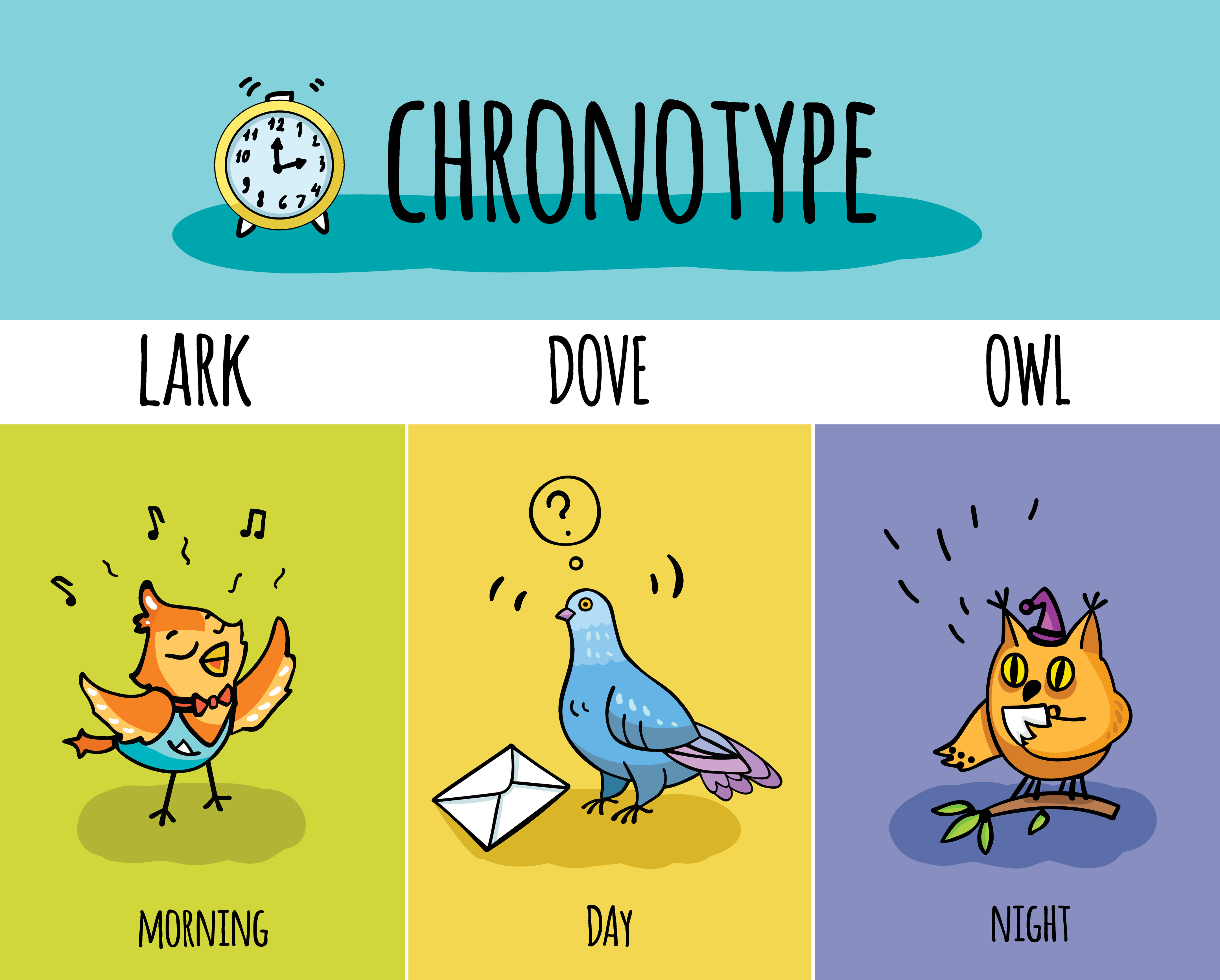
According to Daniel H. Pink, the author of “When: The Scientific Secrets of Perfect Timing,” there’s research to show that your productivity patterns are not unusual. In fact, how you feel throughout the day can be somewhat predictable, if you pay attention to the right details and biological rhythms - or chronotype.
Complete this Horne-Ostberg Morningness-Eveningness Questionnaire to learn more about your personal chronotype.
Workplace injuries often occur when employees feel pressured to "rush" through tasks. Utilizing the Eisenhower Decision Matrix helps managers and teams categorize work to prevent the stress that leads to shortcuts. This system allows you to mathematically prioritize your day based on two variables: Urgency and Importance.