Preventing the transmission of infectious diseases is a primary pillar of healthcare safety. Under OSHA’s Bloodborne Pathogens standard (29 CFR 1910.1030), facilities must implement a written exposure control plan to mitigate risks from needlesticks and other sharps injuries. These incidents expose staff to serious illnesses, including Hepatitis B, Hepatitis C, and HIV.
To maintain compliance and protect your staff, we offer targeted resources like Prevent Needlestick Injuries, which focuses on the use of safer medical devices and immediate disposal protocols. Additionally, per federal requirements, employers must offer the Hepatitis B vaccine to all employees with occupational exposure; for those who choose not to receive it, we provide the formal Hepatitis B vaccine declination form to ensure your documentation meets regulatory scrutiny.
Manual lifting and repositioning of patients is the primary cause of non-fatal back and musculoskeletal injuries among nursing staff. These "overexertion" injuries often lead to chronic pain and significant lost work time. Relying on "proper lifting form" is rarely enough when dealing with the unpredictable weight of a human being.
Strategic safety management focuses on Engineering Controls, such as mechanical lifts and friction-reducing transfer sheets. To evaluate your facility's current protocols, we recommend utilizing our Safe Resident Handling Program Checklist. This tool helps you audit your equipment availability, staff training, and "no-lift" policies to transition from manual labor to a safer, technology-assisted care model.
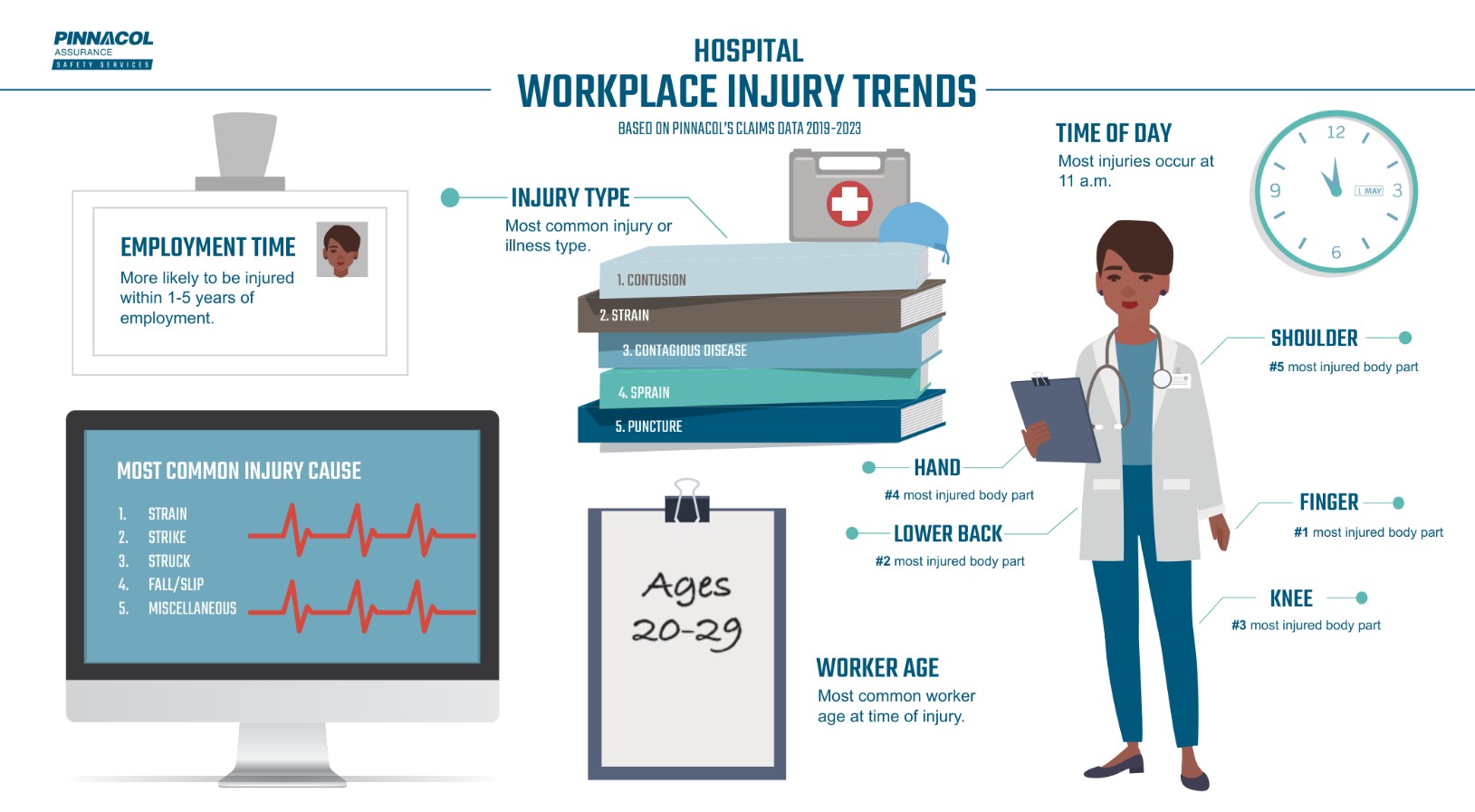
Understanding where injuries occur is the first step toward prevention. By combining this data with a comprehesnive new employee safety orientation, you can build a proactive safety culture that starts on the first day of a caregiver’s tenure.