Environmental hazards encompass the physical and atmospheric conditions that threaten worker health beyond traditional industrial risks. In Colorado, these hazards are primarily driven by extreme weather and outdoor exposures, requiring employers to satisfy the General Duty Clause (Section 5(a)(1) of the OSH Act). This clause mandates a workplace free from recognized hazards that can cause death or serious physical harm, including the physiological stresses caused by temperature extremes and environmental biological threats.
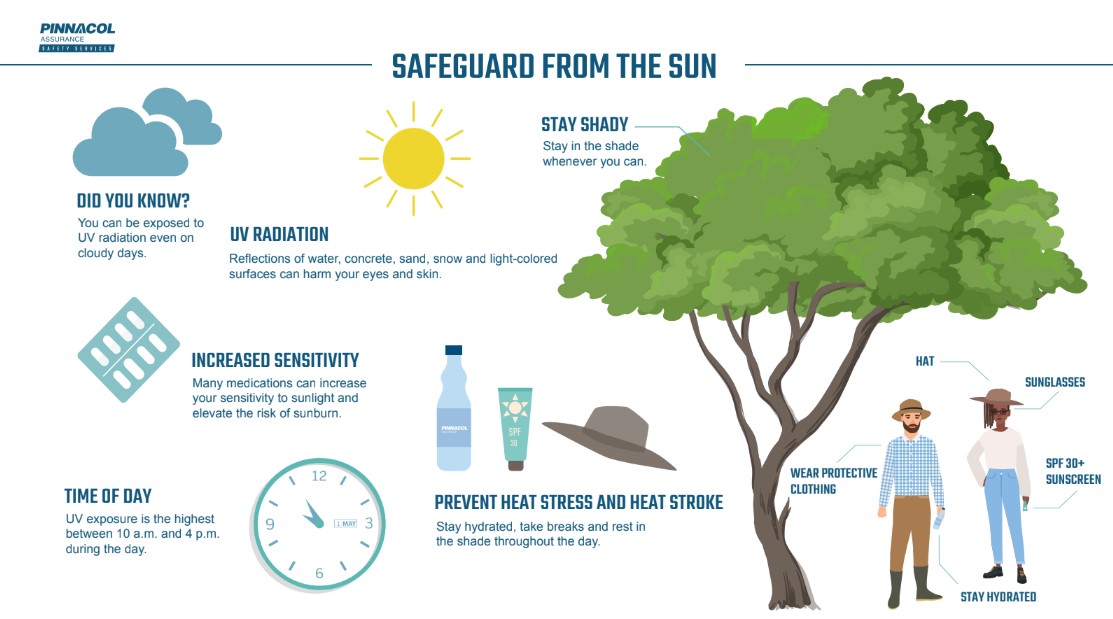

Heat stress is a critical hazard that can lead to heat exhaustion or fatal heat stroke. While OSHA continues to refine federal heat standards, current enforcement relies on the General Duty Clause to ensure workers have access to Water, Rest, and Shade. Training requirements focus on recognizing the symptoms of heat-related illness and the importance of acclimatization, which is the process of gradually increasing a worker's exposure to hot environments over a 1-2 week period.
Conversely, cold stress poses a significant risk during Colorado winters, potentially causing hypothermia, frostbite, and trench foot. To mitigate these risks, safety protocols should include providing warm break areas and ensuring workers use a "buddy system" to monitor for signs of cold-induced confusion. Training should emphasize proper clothing choices, such as wearing multiple layers of loose-fitting clothes to provide insulation while allowing for necessary moisture evaporation.

Outdoor work environments also introduce risks from animals and biological hazards. Workers may encounter aggressive wildlife, venomous insects, or disease-carrying pests like ticks and rodents. Employers should provide training on situational awareness, such as identifying habitats where snakes or spiders may nest and understanding the risks of Zoonotic diseases like Hantavirus or West Nile. Proper site maintenance and the use of personal protective equipment are essential to minimize these environmental interactions.